
How to Respond to a Motion for Contempt of Court (Child Support/Custody)
A Complete Defense Guide for Parents Facing Contempt Allegations in Family Court [2026]

Court Contempt — Family Law Enforcement Proceedings
Phase 1: The Envelope That Changes Everything
It was a Thursday morning when Marcus opened his mailbox and found it: a thick manila envelope with the county courthouse return address. His hands shook as he read the first line: "Motion for Contempt of Court — Child Support." His ex-wife was asking the judge to find him in contempt for missing three months of child support payments. The motion requested $5,000 in back support, $3,200 in attorney's fees, and — most terrifying of all — 30 days in county jail.
If you're reading this, you've probably just lived through something similar. Maybe it was slid under your door by a process server. Maybe your ex handed it to you at a custody exchange with a smirk. Maybe you found it buried in a stack of mail you'd been avoiding.
Here's what you need to understand immediately: a motion for contempt is not a suggestion. It is a legal weapon. And if you ignore it, the consequences can include jail time, fines, wage garnishment, license suspension, and permanent damage to your custody rights. cite🛠web_search:11#6:~:text=Ignoring a motion for contempt is dangerous...time away from your family
But here's the other side of the coin that most people don't realize: contempt is not automatic. The person filing the motion has the burden of proof. They must prove four specific legal elements. And you have powerful defenses available — defenses that can get the motion dismissed entirely.
Contempt of court is the violation of a court's authority or a court order; in family law, it most often involves a parent or former spouse who willfully fails to follow a clear order for child support, parenting time, custody, maintenance, property division, or another obligation. cite🛠web_search:11#0:~:text=Contempt of court is the violation...or another obligation.
This guide is your battle plan. Written for the parent sitting at their kitchen table at 11 PM, motion papers spread across every surface, wondering how the hell they're supposed to fight this.
Phase 2: Understanding What Contempt Actually Means
Civil vs. Criminal Contempt
Before you can defend yourself, you need to understand exactly what you're facing. Contempt comes in two flavors, and the difference matters enormously.
Civil Contempt: The primary purpose is to compel compliance with a court order. The "keys to the jail are in your pocket" — meaning you can purge (fix) the contempt by doing what the court ordered. Common in child support and custody cases. Sanctions are coercive, not purely punitive.
Criminal Contempt: The purpose is to punish past misconduct. You cannot "purge" criminal contempt by complying after the fact. It carries a higher burden of proof (beyond a reasonable doubt in many states) and can result in fixed jail sentences and fines. cite🛠web_search:11#0:~:text=Colorado practice distinguishes remedial and punitive contempt
In family law, most contempt proceedings are civil in nature — but they can still result in jail time. In Florida, for example, if you fail to appear at a properly noticed contempt hearing, the court may issue a writ of bodily attachment for your arrest. cite🛠web_search:11#10:~:text=if you fail to appear at a properly noticed contempt hearing...writ of bodily attachment for your arrest
The Four Elements the Moving Party Must Prove
To win a contempt motion, the person who filed it must prove ALL four of these elements. If even ONE is missing, the contempt motion should be denied.
1. A Valid Court Order Existed — There must be a clear, specific, written court order in place. Verbal agreements, informal understandings, or "what we always did" don't count.
2. The Respondent Knew About the Order — You must have been properly served with the order or participated in the case that created it. cite🛠web_search:11#2:~:text=The other party had knowledge of the order
3. The Respondent Had the Ability to Comply — This is where most defenses live. If you genuinely could not comply, contempt may not apply. cite🛠web_search:11#2:~:text=The other party had the ability to comply with the order
4. The Respondent Willfully Failed to Comply — The violation must be intentional, not accidental or unavoidable. cite🛠web_search:11#2:~:text=The other party willfully failed to comply
Your defense strategy should attack at least one of these four elements. If you can show the order was ambiguous, you didn't know about it, you couldn't comply, or your failure wasn't willful, the contempt motion fails.
Phase 3: The First 48 Hours — Critical Actions
Step 1: Do NOT Ignore the Motion
This cannot be overstated: ignoring a motion for contempt is the single worst thing you can do.
If you don't respond on time, the other party will probably get what they're asking for. cite🛠web_search:11#7:~:text=Yes. Don't ignore these papers...other party will probably get what they're asking for. In many states, if you fail to appear at the contempt hearing, the judge can issue a bench warrant for your arrest. cite🛠web_search:11#7:~:text=If you don't go to the hearing...might issue a bench warrant for your arrest.
Your deadline to respond is typically:
- 20 days from service in most states (varies by jurisdiction)
- The hearing date listed on the motion (which may be sooner)
- Check the motion papers for the specific deadline — it's usually on the first page
Step 2: Read Every Word of the Motion
Sit down with a highlighter and read the motion three times:
First read: What is the moving party claiming you did wrong? Is it child support non-payment? Custody violation? Failure to transfer property? Each requires a different defense.
Second read: What are they asking for? Back payments? Attorney's fees? Jail time? Make-up visitation? The requested relief tells you how aggressively they're pursuing this.
Third read: What evidence do they attach? Bank statements? Text messages? A log of missed visits? Understanding their evidence helps you prepare your counter-evidence.
Step 3: Gather Your Defense Evidence
Start building your evidence file immediately. The sooner you start, the stronger your defense.
For child support contempt:
- Payment records, cancelled checks, money transfer receipts
- Proof of job loss, layoff notice, or termination letter
- Medical records showing disability or illness
- Bank statements showing financial hardship
- Evidence that you filed for modification (if applicable)
- Tax returns showing reduced income
- Unemployment benefits documentation
For custody/visitation contempt:
- Text messages and emails showing you attempted compliance
- Calendar entries documenting pickup attempts
- Witness statements from people who saw exchange attempts
- Medical records for the child (if health issues prevented visitation)
- School records showing the child's schedule
- Police reports (if the other parent refused to release the child)
For all contempt cases:
- The original court order being enforced
- Proof you were served with the original order
- Any communications with the other party about the issue
- Documentation of your efforts to comply
Step 4: Determine If You Qualify for a Free Attorney
If the contempt motion asks for jail time and you have a low income, you may have a constitutional right to a court-appointed attorney. cite🛠web_search:11#7:~:text=If you receive contempt papers asking for jail time...you may have a "right to counsel"
To request a court-appointed lawyer:
- Contact your local public defender's office
- Ask the court clerk for a form to request appointed counsel
- File the request with your response to the contempt motion
- Bring financial documentation to the hearing (pay stubs, tax returns, bank statements)
Even if you don't qualify for a free attorney, consult with a family law attorney immediately. Many offer free or low-cost consultations. Contempt is quasi-criminal — the stakes are too high to go in alone. cite🛠web_search:11#1:~:text=A contempt proceeding is not to be taken lightly...quasi-criminal proceeding
Phase 4: Your Defense Arsenal — Proven Strategies
Defense 1: Inability to Comply (The Most Common Defense)
This is the defense that wins the most contempt cases. If you genuinely could not comply with the order — despite making reasonable efforts — you cannot be held in contempt.
What qualifies as inability to comply:
- Job loss: If you were laid off, fired, or your business failed. Bring termination letters, unemployment records, and job search documentation. cite🛠web_search:11#9:~:text=Loss of Employment: If you lost your job...the court may consider this as a mitigating factor
- Medical emergency: Serious illness, hospitalization, or disability that prevented work. Bring medical records, doctor's notes, and disability determination letters. cite🛠web_search:11#9:~:text=Medical or Personal Hardships: Serious illness or other emergencies can impact your ability to pay
- Reduced income: Pay cuts, reduced hours, or loss of overtime. Bring pay stubs showing the change and employer letters.
- Incarceration: If you were in jail and couldn't earn income.
- Natural disasters or emergencies: Fires, floods, or other catastrophic events.
What does NOT qualify:
- Quitting your job voluntarily
- Choosing lower-paying work without justification
- Spending money on non-essentials while claiming inability to pay
- Not making any effort to find work
Critical: Inability to pay is NOT a defense if you never tried to modify the order. If your income changed, you should have filed a motion to modify child support before falling behind. Courts expect you to be proactive. cite🛠web_search:11#2:~:text=If circumstances have changed significantly...the correct legal step isn't to simply stop paying
Defense 2: The Order Was Unclear or Ambiguous
A contempt motion requires a clear and specific court order. If the order is vague, contradictory, or open to multiple interpretations, contempt is not appropriate.
Examples of ambiguous orders:
- "Reasonable visitation" without specific days or times
- Child support orders that don't specify payment method or due date
- Custody orders that don't specify pickup locations
- Orders that contradict themselves (e.g., two different amounts for support)
Your argument: "Your Honor, the order states 'reasonable visitation' but does not define what 'reasonable' means. I believed every other weekend was reasonable; my ex believed every weekend was required. Because the order was ambiguous, I could not have willfully violated it." cite🛠web_search:11#0:~:text=Ambiguous language may be unsuitable for contempt
Defense 3: Lack of Willfulness
Contempt requires willful disobedience — meaning intentional, deliberate violation. Accidental, mistaken, or unavoidable non-compliance is not contempt.
Examples of non-willful violations:
- You were stuck in traffic and arrived 15 minutes late for custody exchange
- Your bank auto-pay failed due to a technical error
- The child was sick, and you kept them home per the parenting plan's medical provisions
- You misread the order's effective date
- The other parent refused to accept the child at the scheduled time
Your argument: "Your Honor, my violation was not willful. I set up automatic payments through my bank, but due to a system error on the bank's end, the payment was not processed. Here is the letter from my bank confirming the error. I immediately made the payment as soon as I discovered the issue."
Defense 4: You Actually Complied
Sometimes the moving party is simply wrong. They claim you didn't pay; you have proof you did. They claim you missed visitation; you have evidence you were there.
Evidence of compliance:
- Cancelled checks or money order receipts
- Bank transfer confirmations
- Signed receipts from the other parent
- Text messages confirming payment was received
- Witnesses who saw you at the custody exchange location
- Photos with timestamps showing you were at the exchange location
Receipts, transfers, calendars, signed documents, or witness testimony may disprove the alleged violation. cite🛠web_search:11#0:~:text=Receipts, transfers, calendars, signed documents, or witness testimony may disprove the alleged violation.
Defense 5: The Other Party Prevented Compliance
In custody cases especially, the other parent may have actively prevented you from complying with the order — then filed contempt against you for not complying.
Examples:
- They moved and didn't tell you their new address
- They refused to open the door when you came for visitation
- They changed the child's school without telling you
- They blocked your phone number so you couldn't coordinate
- They were not at the exchange location at the scheduled time
Your argument: "Your Honor, I arrived at the designated exchange location at the specified time, but the petitioner was not there. I waited 30 minutes and have a timestamped photo showing I was there. I texted them three times with no response. They are now claiming I 'missed' visitation. I did not miss it — they prevented it." cite🛠web_search:11#0:~:text=Messages, arrival records, or third-party evidence may show obstruction or refusal by the movant.
Defense 6: Lack of Proper Notice
If you were never properly served with the original court order, you cannot be held in contempt for violating it. You must have knowledge of the order before you can be punished for disobeying it.
Questions to ask:
- Were you served with the original order according to your state's service rules?
- Do you have a signed return of service?
- Were you present in court when the order was issued?
- Did you receive a copy of the signed order?
If the answer to all of these is "no," you may have a valid lack-of-notice defense. cite🛠web_search:11#0:~:text=Service, knowledge, or procedural notice may be disputed depending on the facts and state law.
Defense 7: The Requested Remedy Is Unlawful or Excessive
Even if the court finds you in contempt, the sanctions must be lawful and proportionate. You can challenge:
- Jail time when less restrictive alternatives exist
- Attorney's fees that are unreasonable or undocumented
- Fines that exceed statutory limits
- Purge conditions that are impossible to meet
The requested fine, confinement, fees, or purge term may exceed the court's authority or lack required findings. cite🛠web_search:11#0:~:text=The requested fine, confinement, fees, or purge term may exceed the court's authority
Phase 5: Writing Your Response
The Structure of a Winning Response
Your response to the contempt motion is your chance to tell your side of the story. Structure it strategically:
1. Caption and Case Information
Use the same case number, court name, and party names as the motion. This ensures your response is filed in the correct case.
2. Introduction
State who you are, what motion you're responding to, and your general position. Example:
3. Factual Background
Tell your version of events. Be specific, chronological, and honest. Include dates, amounts, and locations. If you lost your job, state the exact date and reason. If you made partial payments, list every payment with dates and amounts.
4. Legal Defenses
Address each of the four elements the moving party must prove and explain why they haven't met their burden:
- The order was ambiguous (if applicable)
- You lacked ability to comply (with supporting evidence)
- Your violation was not willful
- You were prevented from complying by the moving party
5. Request for Relief
Tell the court exactly what you want:
- Denial of the contempt motion
- Attorney's fees (if the motion was frivolous or retaliatory)
- Modification of the underlying order (if circumstances have changed)
Filing Your Response
Where to file: The same court that issued the original order. This is usually the family court or district court in the county where your case was originally filed.
How to file:
- Make at least three copies of your response and all attachments
- File the original with the court clerk
- Have the other party served with a copy (by mail, hand delivery, or process server)
- File a Proof of Service with the court
Deadline: Check your state's rules. In most states, you have 20 days from service to file a response. In Florida, if you fail to file a response, the court may proceed without your input. cite🛠web_search:11#4:~:text=After being served with a petition or counterpetition, the other party has 20 days to file a response.
Phase 6: What Happens at the Contempt Hearing
Before the Hearing
Preparation is everything. Here's your pre-hearing checklist:
- Organize all evidence in chronological order
- Prepare a timeline of events
- Review the original court order word for word
- Prepare your testimony — practice saying it out loud
- Bring at least three copies of every document
- Dress professionally (business casual minimum)
- Arrive at least 30 minutes early
- Bring a notepad and pen
During the Hearing
A contempt hearing follows a structured format. Here's what to expect:
1. Opening
The judge identifies the parties, reviews the motion, and explains the purpose of the hearing. The judge will also explain your rights, including the right to an attorney if jail time is requested. cite🛠web_search:11#0:~:text>The court identifies the allegations, requested sanctions, legal rights, and any procedural issues.
2. Moving Party's Evidence
The person who filed the contempt motion goes first. They must present evidence proving all four elements. They may call witnesses, present documents, and testify themselves.
Your job during their presentation: Take notes. Look for gaps in their evidence. Did they prove you KNEW about the order? Did they prove you had the ABILITY to comply? Did they prove it was WILLFUL?
3. Cross-Examination
You (or your attorney) can question the moving party's witnesses. Key questions:
- "Isn't it true that the order says 'reasonable visitation' without defining specific days?"
- "Did you receive my text on [date] explaining I was in the hospital?"
- "Isn't it true that you refused to open the door when I came for visitation on [date]?"
- "Have I made any payments at all in the past six months?"
4. Your Evidence
Now it's your turn. Present your defenses in order:
- Show the order was unclear (if applicable)
- Present evidence of inability to comply
- Show your violation was not willful
- Prove you were prevented from complying
5. The Judge's Decision
The judge will either rule from the bench (immediately) or take the matter under advisement and issue a written ruling later. The judge must determine whether the moving party proved contempt by the required standard of proof. cite🛠web_search:11#0:~:text>The judge determines whether the required elements were proven under the applicable burden.
Possible Outcomes
Motion Denied: The contempt motion is dismissed. No sanctions. This is a complete win.
Motion Granted — Civil Contempt: You're found in contempt but given a chance to "purge" by complying. You may be ordered to pay back support, attend make-up visitation, or complete other actions.
Motion Granted — Criminal Contempt: You're found in contempt and sentenced to jail time, fines, or both. This is the worst outcome.
Motion Granted — With Conditions: The court finds contempt but imposes a payment plan or other conditions instead of jail.
Continued: The hearing is rescheduled to a later date, usually to allow more time for evidence or service.
Phase 7: State-by-State Contempt Procedures
Every state handles contempt differently. Here are the key procedures for major jurisdictions:
California
Contempt proceedings use Judicial Council Form FL-410 (Order to Show Cause and Affidavit for Contempt), plus FL-411 for financial orders or FL-412 for custody/visitation. cite🛠web_search:11#1:~:text=Contempt proceeding must be initiated by filing and serving Judicial Council Form FL-410 The Affidavit must show the order was valid, the person knew about it, and willfully disobeyed it. cite🛠web_search:11#1:~:text=The Affidavit must show that the order/judgment was a valid court order...willfully disobeyed the order. Custody contempt is complicated and can have serious consequences, including jail. cite🛠web_search:11#0:~:text=California Courts warns that custody contempt is complicated and can have serious consequences, including jail.
Texas
Texas uses a motion for enforcement that pleads the order and each alleged violation with particularity. Strict pleading requirements and liberty interests make precision essential. cite🛠web_search:11#0:~:text=Texas typically uses a motion for enforcement that pleads the order and each alleged violation with particularity. Visitation denial must be documented by appearing at the exact time and place required by the order. cite🛠web_search:11#0:~:text=Texas resources also emphasize that visitation denial must be documented by appearing at the exact time and place required by the order.
Florida
Florida uses Form 12.960 (Motion for Civil Contempt/Enforcement). If you fail to appear at a properly noticed contempt hearing, the court may issue a writ of bodily attachment for your arrest. cite🛠web_search:11#10:~:text=Under Florida Rule 12.615, if you fail to appear at a properly noticed contempt hearing, the court may issue a writ of bodily attachment for your arrest. The moving party has the burden of proving noncompliance; once established, the respondent can show inability to comply. cite🛠web_search:11#4:~:text=the moving party will have the burden of proving the other party has not obeyed a prior court order. Once noncompliance is established, the other party will have an opportunity to show an inability to comply
Washington
Washington uses forms FL All Family 165 (Motion for Contempt Hearing) and FL All Family 166 (Order to Go to Court for Contempt Hearing). cite🛠web_search:11#0:~:text=Washington Courts publishes statewide forms including FL All Family 165, Motion for Contempt Hearing, and FL All Family 166 Washington law includes specific remedies for bad-faith noncompliance with parenting-plan residential provisions, including make-up time and other statutory consequences.
Colorado
Colorado uses Form JDF 1816 (Motion and Affidavit for Citation for Contempt of Court). Colorado distinguishes remedial and punitive contempt, and the requested relief affects the required procedure and protections. cite🛠web_search:11#0:~:text=Colorado Judicial Branch provides a Motion and Affidavit for Citation for Contempt of Court, Form JDF 1816. Colorado practice distinguishes remedial and punitive contempt
North Carolina
The moving party must show that a valid court order exists, the other party had knowledge of the order, and the order was willfully disobeyed. If the respondent claims inability to comply, they must provide proof. cite🛠web_search:11#3:~:text=You must show that a valid court order exists...the other party had knowledge of the order...the order was willfully disobeyed
Phase 8: Purging Contempt — How to Fix It
If the court finds you in contempt, you may be given an opportunity to "purge" the contempt — meaning you can fix the violation and avoid or end sanctions.
What Is a Purge Condition?
A purge condition is a specific act you can perform to end or avoid a coercive civil-contempt sanction, such as paying an amount the court finds you can presently pay or completing a required transfer. cite🛠web_search:11#0:~:text=A purge condition is a specific act a person can perform to end or avoid a coercive civil-contempt sanction
Common purge conditions:
- Pay the full amount of back child support within 30 days
- Pay a lump sum plus a monthly payment plan
- Complete a parenting class
- Attend make-up visitation sessions
- Transfer property or sign required documents
- Attend counseling or anger management
If You Can't Meet the Purge Condition
If the court sets a purge condition you genuinely cannot meet, you must act immediately:
- File a motion to modify the purge condition
- Provide updated financial documentation
- Request a payment plan you can actually afford
- Do NOT simply fail to comply — that leads to jail
Phase 9: When Modification Is Better Than Defense
Sometimes, the best response to a contempt motion isn't a defense at all — it's a counter-motion to modify the underlying order.
When to File for Modification Instead
Not every violation should lead to a contempt motion. In some cases, the better approach may be to modify the existing court order. cite🛠web_search:11#5:~:text=Not every violation should lead to a contempt motion. In some cases, the better approach may be to modify the existing court order.
Modification is better when:
- Your income has permanently decreased (job loss, disability, retirement)
- The parenting plan no longer works due to changed circumstances
- The child's needs have changed (medical issues, school changes)
- Both parties are struggling to follow the original terms
- The order is genuinely outdated or unworkable
How it works: You file a motion to modify the child support or custody order at the same time you respond to the contempt motion. The court may consolidate both issues into one hearing. If the court grants the modification, the contempt motion may be moot or significantly reduced.
Being proactive and filing for a modification is much better than waiting to face a contempt charge. cite🛠web_search:11#2:~:text=Being proactive and filing for a modification is much better than waiting to face a contempt charge.
Phase 10: Special Circumstances and Complex Defenses
Child Support Contempt: The "Ability to Pay" Defense
In child support contempt cases, the most powerful defense is proving you genuinely lacked the ability to pay. But this defense has strict requirements:
You must show:
- You made reasonable efforts to find employment
- Your unemployment or underemployment was involuntary
- You have no assets you could liquidate to make payments
- You applied for unemployment or disability benefits
- You sought a modification as soon as circumstances changed
You must also show you did NOT:
- Quit your job voluntarily to avoid support
- Work "under the table" to hide income
- Spend money on luxuries while claiming poverty
- Fail to file tax returns
- Ignore the support order without attempting modification
A genuine inability to pay may be an important defense, especially where incarceration or coercive sanctions are requested. The person should provide detailed financial evidence and should seek modification rather than simply stop paying. cite🛠web_search:11#0:~:text=A genuine inability to pay may be an important defense...The person should provide detailed financial evidence and should seek modification
Custody Contempt: The "Child's Safety" Defense
If you withheld visitation because you genuinely believed the child was in danger, you may have a valid defense — but it's risky.
Requirements for this defense:
- The danger must be immediate and credible, not speculative
- You must have documented evidence of the danger (CPS reports, police reports, medical records)
- You must have attempted to address the danger through legal channels first
- You must have notified the court and the other parent of your concerns
Warning: Simply believing the other parent is "bad" is not enough. You need concrete evidence. And even with evidence, the court may still find you in contempt while simultaneously modifying custody. cite🛠web_search:11#12:~:text=Child's Safety Concerns: A parent might believe the other household poses risks. If credible evidence supports the child's immediate danger, a parent may justify withholding visitation until further evaluation.
The "I Didn't Know" Defense
If you were never properly served with the original court order, you cannot be held in contempt. But the burden is on you to prove lack of notice.
Evidence of lack of notice:
- You were not present at the hearing where the order was issued
- You were not served with the order according to state rules
- The return of service is fraudulent or incorrect
- You were incarcerated at the time of service
- You were living at a different address than where service was attempted
Phase 11: The Financial Fallout — Penalties and Sanctions
What the Court Can Do If Contempt Is Proven
If the judge finds you in contempt, the possible penalties include: cite🛠web_search:11#2:~:text=If the judge finds a person in contempt, they will issue an order with specific penalties
Jail Time: Up to 180 days in many states. Usually reserved for willful, repeated violations. cite🛠web_search:11#3:~:text=In some cases, a party may be jailed until they comply.
Fines: Coercive fines designed to compel compliance. Can range from hundreds to thousands of dollars.
Attorney's Fees: The court can order you to pay the other party's attorney's fees and court costs. cite🛠web_search:11#3:~:text=Attorney's fees paid to the moving party
Wage Garnishment: Automatic deduction of child support from your paycheck.
License Suspension: Driver's license, professional license, or recreational license suspension. cite🛠web_search:11#2:~:text>Suspension of licenses (driver's, professional, or recreational)
Tax Refund Interception: Federal and state tax refunds seized to pay back support.
Make-Up Visitation: If the contempt involved denying visitation, the court can order make-up time. cite🛠web_search:11#2:~:text>Make-up visitation time
Property Liens: Liens placed on your property until support is paid.
Passport Denial: Your passport can be denied or revoked for substantial child support arrears.
How to Minimize Penalties
If the court is likely to find contempt, you can still minimize the damage:
- Bring a partial payment. Even if you can't pay the full amount, bringing something shows good faith.
- Propose a payment plan. Courts prefer payment plans over jail time.
- Show efforts to comply. Document every job application, interview, and effort to find work.
- Express remorse. Acknowledge the violation and explain how you'll prevent it in the future.
- Request community service instead of jail. Some courts will accept this alternative.
Phase 12: Appeals and Post-Hearing Options
Can You Appeal a Contempt Finding?
Often, yes — but appealability, timing, preservation requirements, and whether the order is final depend on state law. Appellate deadlines can be short. cite🛠web_search:11#0:~:text=Often, yes, but appealability, timing, preservation requirements, and whether the order is final depend on state law. Appellate deadlines can be short.
Common grounds for appeal:
- The court lacked jurisdiction
- The order was not clear and specific enough to support contempt
- The evidence did not support a finding of willfulness
- The sanctions exceeded the court's authority
- Your procedural rights were violated (lack of notice, denial of counsel)
Warning: Appeals are expensive and time-consuming. Most contempt orders are not stayed (paused) during appeal, meaning you must comply with sanctions while appealing.
Motion to Reconsider
In many states, you can file a motion to reconsider within a short window (often 10-30 days) after the contempt order is issued. This is faster and cheaper than an appeal.
Grounds for reconsideration:
- Newly discovered evidence
- Legal error by the court
- Change in circumstances since the hearing
Phase 13: Preventing Future Contempt Allegations
If You're Behind on Child Support
- File for modification IMMEDIATELY when your income changes. Don't wait until you're months behind.
- Pay something — anything. Partial payments show good faith and may prevent contempt.
- Communicate in writing. Send emails or texts explaining your situation. Document everything.
- Keep detailed financial records. Save pay stubs, bank statements, and tax returns.
- Attend all court hearings. Missing a hearing makes everything worse.
- Follow up on modification requests. Don't assume the court received your paperwork.
If You're Struggling With Custody Orders
- Document every exchange attempt. Keep a calendar with dates, times, and outcomes.
- Arrive early and stay late. If the order says 6:00 PM, be there at 5:45 PM and wait until 6:30 PM.
- Bring a witness. Have someone with you at exchanges who can testify if needed.
- Communicate in writing about changes. If the child is sick, text the other parent immediately.
- File for modification if the schedule truly doesn't work anymore.
- Never withhold visitation because of unpaid support. Child support and visitation are separate legal obligations. cite🛠web_search:11#9:~:text=Can I withhold visitation if the other parent isn't paying child support? No.
Phase 14: Common Mistakes That Destroy Contempt Defenses
1. Ignoring the Motion
The mistake: Throwing the papers in a drawer and hoping it goes away.
The reality: The court will hold the hearing without you. You'll be found in contempt by default. A bench warrant may be issued. cite🛠web_search:11#7:~:text>If you don't go to the hearing, the judge might issue a bench warrant for your arrest.
2. Representing Yourself Without Preparation
The mistake: Walking into court with no evidence and just "telling your story."
The reality: Contempt hearings follow rules of evidence. Unprepared testimony is easily dismantled by the other party's attorney. Bring documents, organize them, and practice your testimony.
3. Admitting Fault Without a Lawyer Present
The mistake: Telling the judge "Yeah, I missed payments, but I had reasons."
The reality: Admissions of fault can be used against you. Let your attorney guide what you say. If representing yourself, stick to facts and let the evidence speak.
4. Getting Emotional in Court
The mistake: Yelling at your ex, crying uncontrollably, or arguing with the judge.
The reality: Emotional outbursts make you look unstable. Judges decide based on evidence and law, not drama. Stay calm, respectful, and focused.
5. Not Filing for Modification
The mistake: Waiting until contempt is filed to address an unworkable order.
The reality: If your circumstances have changed, file for modification proactively. Courts are much more sympathetic to someone who tried to fix the problem legally than someone who simply stopped complying.
Phase 15: Your Complete Action Checklist
Immediate (First 48 Hours)
☐ Read the motion completely — three times
☐ Note the hearing date and response deadline
☐ Gather all financial records (pay stubs, bank statements, tax returns)
☐ Gather all custody/visitation documentation (texts, calendars, photos)
☐ Locate the original court order being enforced
☐ Determine if you qualify for a court-appointed attorney
☐ Contact a family law attorney for consultation
☐ Do NOT contact the other party about the motion
Pre-Hearing (1-3 Weeks)
☐ Draft your response to the contempt motion
☐ File your response with the court before the deadline
☐ Serve the other party with your response
☐ File a Proof of Service with the court
☐ Consider filing a motion to modify the underlying order
☐ Prepare your evidence binder (chronological, labeled, organized)
☐ Prepare your testimony — practice out loud
☐ Identify and prepare any witnesses
At the Hearing
☐ Arrive 30 minutes early
☐ Dress professionally
☐ Bring three copies of every document
☐ Stay calm and respectful at all times
☐ Take notes during the other party's presentation
☐ Address the judge as "Your Honor"
☐ Answer questions directly and honestly
☐ Do NOT interrupt the other party or the judge
After the Hearing
☐ Get a copy of the court's order
☐ If contempt was found, comply with purge conditions immediately
☐ If ordered to pay, set up automatic payments to prevent future issues
☐ Consider appealing if the ruling was legally erroneous
☐ File for modification if circumstances have changed
☐ Document everything for future reference
Legal Disclaimer
IMPORTANT NOTICE: This article is for informational and educational purposes only and does NOT constitute legal advice. Contempt of court laws, procedures, and available defenses vary significantly by state, county, and jurisdiction. The information provided herein may not reflect the most current legal developments in your area.
You should NOT rely on this article as a substitute for professional legal advice from a qualified family law attorney licensed in your jurisdiction. Every case is unique, and outcomes depend on specific facts, applicable law, and judicial discretion. Contempt proceedings are quasi-criminal in nature and can result in incarceration, fines, and other serious penalties.
Jurisdictional Notice: Laws discussed in this article address the United States legal framework. State-specific procedures, forms, deadlines, and sanctions vary widely. Always verify current procedures with your local courthouse, clerk's office, or family law attorney.
Attorney-Client Relationship: Reading this article does not create an attorney-client relationship. If you are facing a motion for contempt of court, contact a licensed attorney in your jurisdiction immediately.
Emergency Situations: If you have been ordered to appear at a contempt hearing and believe you may face incarceration, seek legal counsel immediately. If a bench warrant has been issued for your arrest, contact a criminal defense attorney before turning yourself in.
Self-Representation Warning: While self-represented parties may be permitted to file contempt responses, contempt is procedurally demanding and can involve incarceration, fee awards, and strict pleading or service requirements. Legal advice is strongly recommended. cite🛠web_search:11#0:~:text=Self-represented parties may be permitted to file contempt forms, but contempt is procedurally demanding...Legal advice is strongly recommended.
Related Images

Family Court — Enforcement Proceedings

Civil vs Criminal Contempt

Contempt of Court — Legal Enforcement
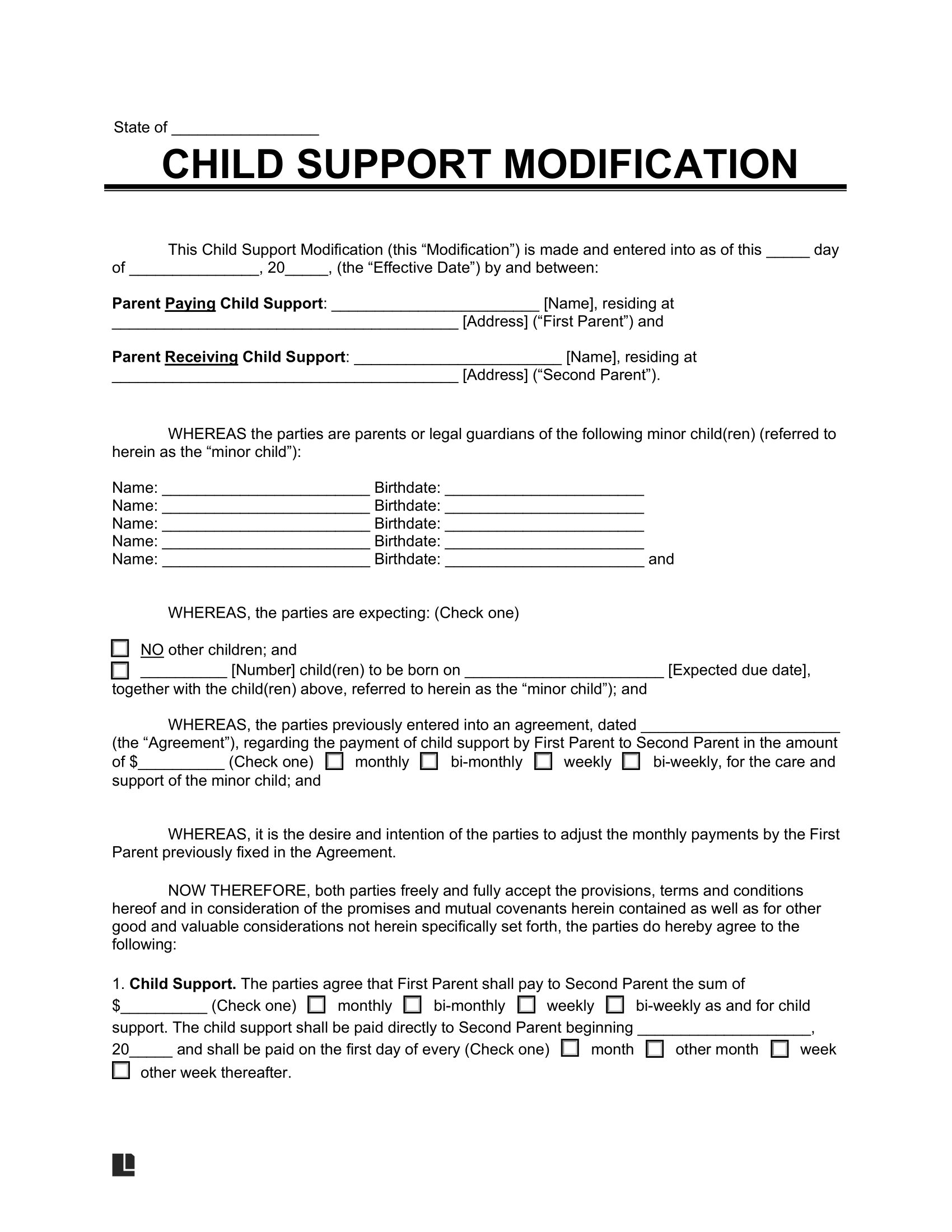
Child Support Legal Forms



0 Comments